
Property taxes can climb fast and hit the wallet hard. The Florida Homestead Exemption offers real property tax relief for a primary home. It reduces the taxable value of a house, protects equity from many creditors, and helps families keep more cash each year. You will see who qualifies, how to apply, and what documents to gather. Simple steps can make a big difference; keep reading.
What is the Florida Homestead Exemption?
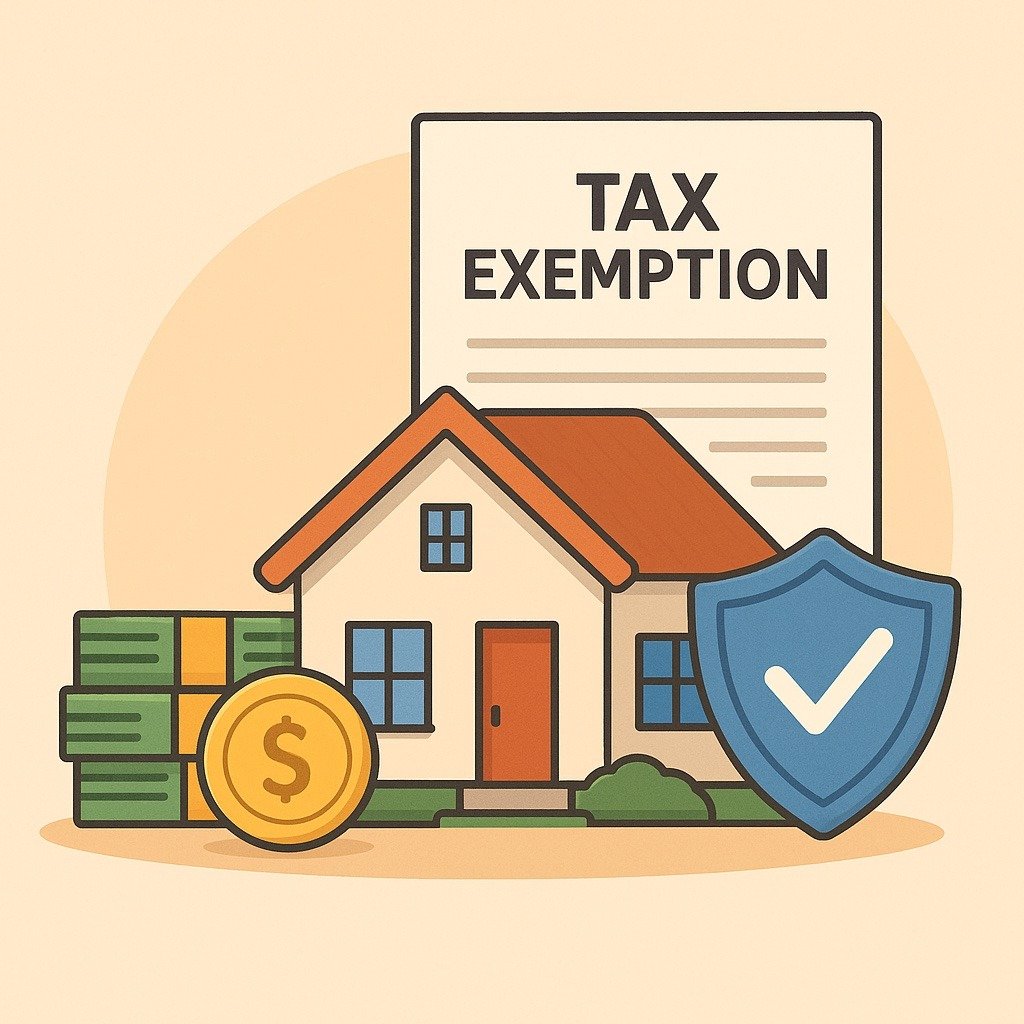
The Florida Homestead Exemption is a state benefit that lowers property taxes for a primary home. A primary home means the place you live full-time. The exemption reduces the assessed value, which is the value the county uses to calculate taxes, by up to $50,000. Lower assessed value usually means lower county and city taxes.
To qualify, the owner must live in the home as of January 1 and meet county rules. Each county property appraiser sets the process and checks proof of permanent residency. The law also includes strong credit protection for a homestead. In most cases, unsecured creditors cannot force the sale of your primary residence to collect on a judgment.
The Homestead Exemption is one way Florida protects families and their homes.
Some homeowners in Broward, Miami-Dade, and Palm Beach may also qualify for extra exemptions for seniors, veterans, and people with disabilities. Applications go through the local county appraiser. If approved, savings appear on the annual tax bill and depend on local rates and the home’s assessed value.
Key Benefits of the Florida Homestead Exemption
This exemption can lower taxes, steady future bills, and guard home equity. Many South Florida homeowners see long-term savings and stability.
How much property tax exemption can I get?
Florida homeowners can get up to $50,000 off the taxable value of a primary home. The first $25,000 applies to all property taxes, including school taxes. The second $25,000 applies only to non-school county and city taxes, and only to the portion of assessed value between $50,000 and $75,000.
For a home in Pembroke Pines or Miami with an assessed value of $75,000 or more, the combined homestead benefit often saves hundreds of dollars each year. Exact savings vary by county millage rates, which are the local tax rates set by cities, counties, and districts. Check your county property appraiser for local numbers and calculators.
Some owners may qualify for larger discounts under special programs for seniors or veterans. Next, see how the Save Our Homes assessment limitation limits future increases in assessed value.
What is the Save Our Homes assessment limitation?
The Save Our Homes rule limits how much the assessed value of a homesteaded property can rise each year. Even if market value jumps, assessed value for taxes can only increase by 3 percent per year or the inflation rate, whichever is lower. Assessed value is the number that drives your tax bill. Market value is what the property might sell for in a normal sale.
For many homeowners in Fort Lauderdale, Pembroke Pines, and Miami, this cap means steadier tax bills and fewer surprises. Over time, the cap can create a gap between market value and assessed value, which protects against sudden tax spikes.
The Save Our Homes cap has guarded Florida families from large tax jumps for decades.
This limit helps owners keep more of each paycheck, even in hot housing markets. It also supports long-term planning, because future assessments become more predictable.
How does the exemption protect me from creditors?
Florida’s homestead protection shields a primary residence from most unsecured creditors. An unsecured creditor is a lender or company that does not have a mortgage or lien tied to the property. These creditors generally cannot force a sale of the homestead to collect a debt.
In bankruptcy, many homeowners keep their homes due to this protection under Florida law. The protection also extends to a surviving spouse and minor children. That support helps a family stay in the home during hard times. Some debts are exceptions, such as mortgages, property taxes, and contractor liens. Always review your situation with a Florida attorney.
Eligibility Criteria
Not every property qualifies. The exemption is for a permanent Florida residence, owned and occupied by the applicant, under county and state rules.
What are the residency requirements for eligibility?
The property must be the owner’s permanent residence. That means living there as the main home, not a vacation or seasonal place. Counties such as Broward and Miami-Dade often check for proof like a Florida driver license or ID card, a voter card, or a car registration that shows the same address.
U.S. citizens and qualified permanent residents may apply. Local offices can ask for utility bills, mail to the address, or prior state records to confirm a move. Occupancy and residency must exist by January 1 of the tax year. Filing early helps avoid delays if more proof is needed.
What ownership and residence conditions must I meet?
The applicant must have legal ownership and live in the home as of January 1. Legal ownership means holding title to the property in your name or in certain Florida-compliant trusts. The property must be your main place to live.
Short-term rentals, vacation houses, and second homes do not qualify. Counties often verify with a driver license address, voter record, or vehicle registration tied to the home. Only one homestead exemption is allowed per family unit statewide. These checks help prevent double benefits in different locations.
How to Apply for the Homestead Exemption
Applying is straightforward and can produce lasting tax savings. Gather the right records, file on time, and keep copies for your files.
What documents do I need to apply?
County property appraisers in Pembroke Pines, Fort Lauderdale, and Miami list the exact paperwork. Most offices request these items:
- Florida driver license or state ID that shows the homestead address.
- Voter registration card with the same address, if you vote in Florida.
- Social Security numbers for all owners applying, shown on official documents.
- Recorded deed or warranty deed that proves ownership.
- Vehicle registration with the homestead address, if you own a car.
- Recent utility bill with your name and the homestead address.
- Declaration of Domicile filed with the county if you moved from another state.
- Permanent resident card or other legal status proof, if not a U.S. citizen.
- Details on your former home if you owned property outside Florida in the last two years.
With these records ready, you can file online or in person. The county website often provides an application portal and a checklist. Submitting clean documents helps prevent delays.
When is the deadline to apply?
File by March 1 to receive the exemption for that tax year. Late filings can miss the benefit for the current year, which can mean paying more than needed. Mark the date and start early if any proof may take time to obtain.
County property appraiser offices handle filings and review eligibility. If you miss March 1, call your county office right away. Some counties allow late applications with a reason, but not always. Do not wait until the last week, since traffic and technical issues can occur.
Additional Considerations
Special rules can layer more savings on top of the base exemption. These programs help neighbors who served the country or face limits on income or health.
Are there special exemptions for seniors, veterans, or first responders?
Many residents in South Florida may qualify for additional homestead discounts. Check your county for details and income limits.
- Seniors 65 and older may receive an extra discount if yearly income falls below a set amount. The county sets the figure each year.
- Widows and widowers can claim a $500 reduction to ease costs after a loss.
- Disabled veterans may receive larger benefits based on a Department of Veterans Affairs disability rating. Some with service-connected conditions qualify for a full exemption.
- Active duty service members deployed outside the U.S. may earn an extra benefit based on days spent overseas the prior year.
- First responders disabled in the line of duty can qualify for a full exemption.
- Surviving spouses of fallen first responders may also claim a full exemption if they do not remarry and keep the same homestead as the main residence.
- Some of these programs can combine with the base homestead rules, which helps households with limited income or special needs.
Rules change, and some programs require extra forms or medical records. Call your county office to confirm what applies and how to file.
How does the exemption affect property value assessments?
The homestead benefit reduces the taxable portion of a home’s value. For example, if a home’s market value is $300,000 and the owner qualifies for $50,000 in exemption, the taxable assessed value becomes $250,000. That lower number is used to calculate county and city taxes.
The Save Our Homes limit also constrains how much assessed value can rise each year, capped at 3 percent or inflation, whichever is lower. Even when market prices jump across a Miami neighborhood, the capped assessed value protects against sudden yearly increases. This helps planning and keeps bills more predictable over time.
Conclusion
Homeownership in Florida comes with real benefits. The Florida Homestead Exemption can lower property taxes and protect a primary home from many creditors. For many families, this means steady bills and long-term savings.
Eligibility and deadlines matter. Filing early and keeping proof in order reduces hassles with county offices. Carol L. Grant, P.A., helps South Florida families protect homes, plan estates, and pass wealth with less stress. Good advice today can protect your home for years to come.
Legal disclaimer: This information is general and not legal advice. Laws change, and results depend on your facts. Speak with your county property appraiser or a Florida attorney for guidance on your situation.
FAQs
1. What is the Florida Homestead Exemption and who can claim it?
The Florida Homestead Exemption reduces property taxes for people who own and live in their main home in Florida. Renters and owners of second homes do not qualify.
2. How much money does the exemption save on property taxes?
Most homeowners get up to $50,000 off the assessed value for tax purposes. The first $25,000 applies to all taxes, and the second $25,000 applies only to non-school taxes.
3. Are there common myths about qualifying for the homestead exemption?
Yes. Some think rental houses or vacation condos qualify, but they do not. Only a permanent residence qualifies under state law.
4. What steps should I take to apply for the exemption?
Apply with your county property appraiser by March 1 each year. Bring proof such as a Florida driver license with the homestead address and a copy of the deed to confirm permanent residency.